
Stock Up Smart: Your Friendly Guide to Buying Bulk Ammo Online
Bulk ammo is simply a large quantity of cartridges purchased in one box or case, often packed loose to save space and cost. Because you’re buying more rounds at once, the price per shot drops noticeably, leaving extra cash for more range time or practice. You can store it in ammo cans or keep it in the original packaging, and it works exactly the same as individual boxes—just grab a handful for your next reload or shooting session. It’s the easiest way to stock up on your favorite caliber without worrying about running dry mid-trip.
Why Buying Ammunition in Large Quantities Saves You More Than Money
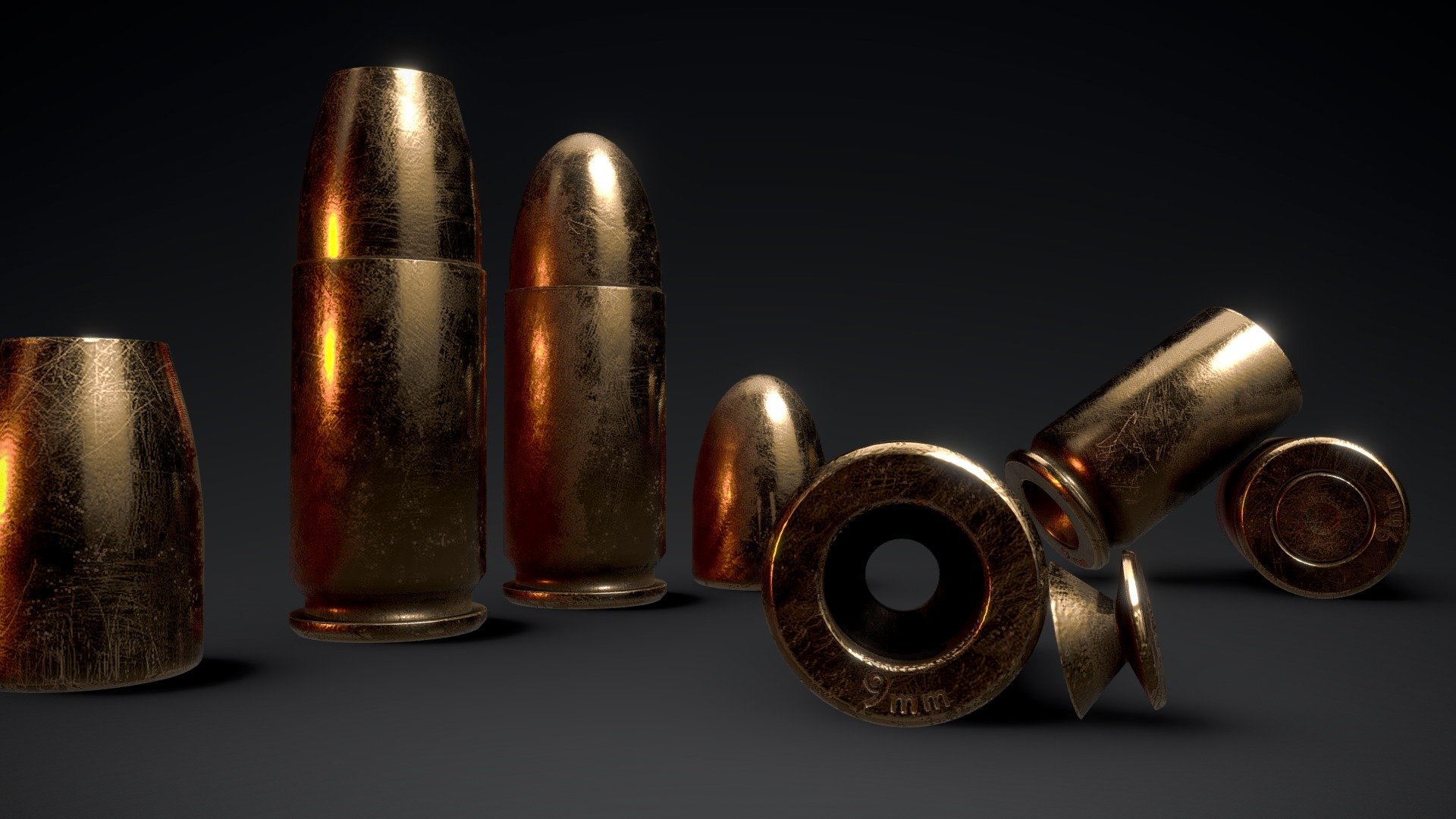
When you commit to buying ammunition in large quantities, the real payoff isn’t just the per-round discount—it’s the freedom from last-minute panic runs. I remember standing at a counter, staring at marked-up boxes after a weekend range trip emptied my stash. Bulk ammo means you always have a reserve for practice, zeroing optics, or grabbing a friend for an impromptu session without rationing. That consistency builds muscle memory faster, because you’re not counting shots. The money saved on bulk ammo quietly becomes time saved, stress avoided, and confidence gained. Every crate you stack turns a hobby into a habit, and a habit into a skill you don’t have to think twice about. That’s wealth beyond the price tag.
How Per-Round Costs Drop When You Purchase by the Case
When you buy ammunition by the case, the price per round drops significantly because manufacturers and retailers price boxes individually to cover higher per-unit handling, packaging, and shipping overhead. Case purchases consolidate those fixed costs into a single transaction, so the per-round savings come directly from reduced packaging materials, fewer discrete stock-keeping units to process, and lower freight charges per cartridge. Retailers also apply tiered discounts for full cases—typically 10–20% off the equivalent single-box price—since a case sale moves inventory faster with less labor. This means the more rounds you commit to in one order, the less you pay for each individual cartridge, purely from the volume-based pricing structure.
- Case pricing eliminates the per-box retail markup, shaving cents off every round.
- One-time shipping and handling fees specialty sports spread across 500–1,000 rounds reduce the effective cost per cartridge.
- Full cases avoid the per-box repackaging surcharge that inflates smaller purchases.
The Hidden Savings on Shipping Fees and Per-Order Handling Charges
When you buy ammunition by the case, the most immediate savings appear in shipping fees and per-order handling charges, which are often fixed per package rather than per round. A single box order may incur a $15 shipping fee plus a $5 handling charge, whereas ordering 1,000 rounds in one crate typically triggers the same flat cost, not ten times that amount. This means your effective transport cost per round drops sharply—often from $0.02 to $0.003. Handling fees, which cover labor, packing, and box sealing, are also charged once per invoice, not per unit. Consolidating multiple boxes into one shipment eliminates repeated surcharges, turning a perceived discount into real out-of-pocket savings.
Locking in Today’s Pricing for Future Practice Sessions
When you buy bulk ammo now, you effectively fix the cost of every future practice session, shielding your training budget from price creep that often arrives between shipments. A case purchased today at a stable rate guarantees that next month’s range time—and the month after—costs the same per round, regardless of what the shelf tag says later. This works best when you calculate your average monthly round count and stockpile a six-to-twelve-month supply that matches that pace. The math is simple: if a single box rises by a few dollars, a case of 1,000 rounds locks in that difference as pure savings. Pre-purchasing at current rates transforms ammunition into a predictable training expense rather than a reactive one. Q: Is locking in pricing only worth it for high-volume shooters? No—even two sessions a month justify it if you buy a flat of 500 rounds at once, since you avoid paying the eventual per-box increase each time you resupply.
What to Check Before Stocking Up on a High Volume of Cartridges
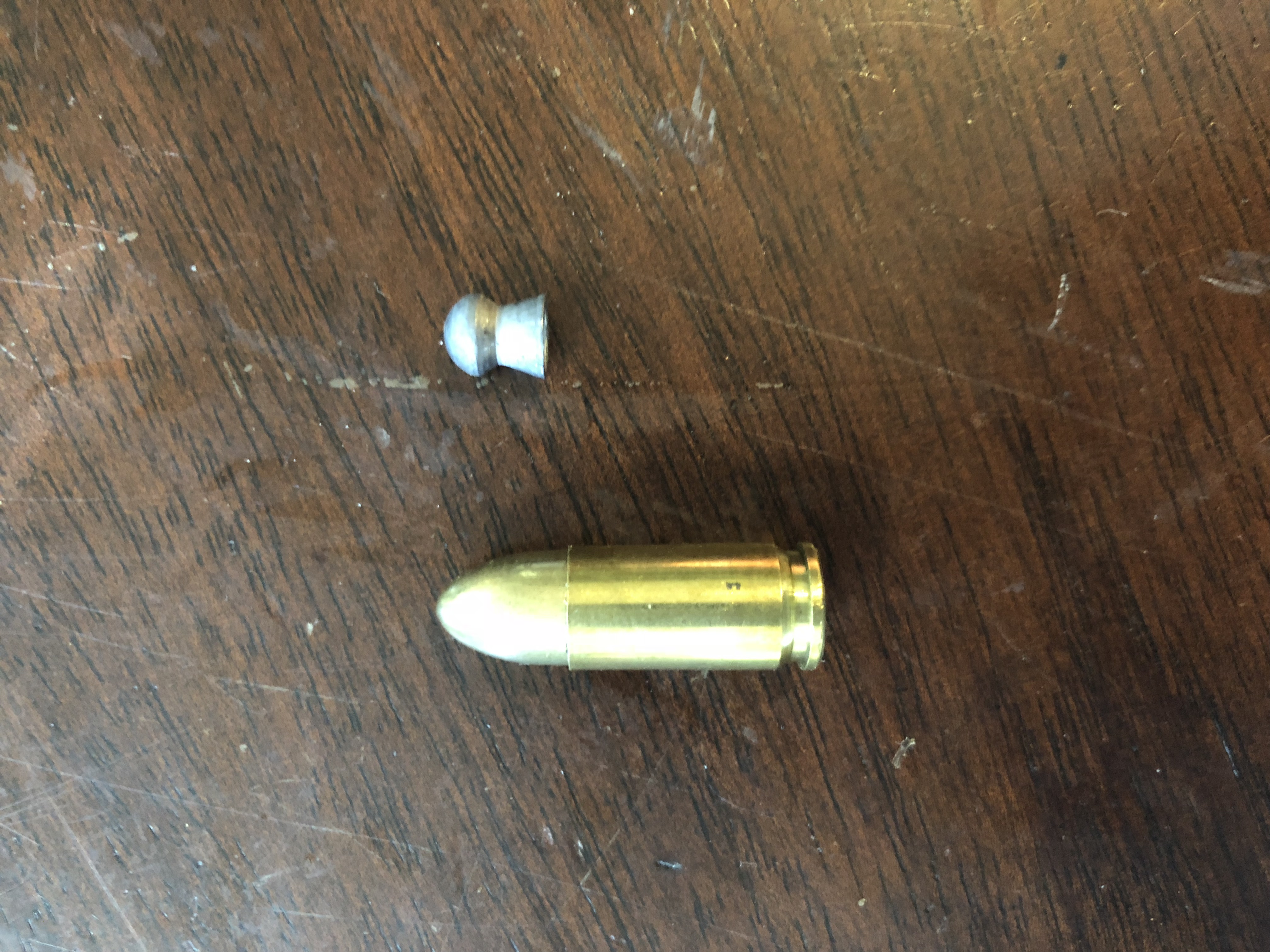
Before committing to bulk ammo, verify cartridge headspace and dimensions against your firearm’s chamber using a case gauge—mismatched lots cause failures. Inspect primer seating depth; high-volume purchases often hide shallow or proud primers, which lead to light strikes or slam-fires. Check case neck tension by measuring loaded rounds; inconsistent tension affects accuracy and pressure. Confirm projectile weight and profile match your intended use (e.g., target vs. defense), as bulk 7mm WSM Ammo for Sale deals sometimes mix bullet types. Examine ammo packaging date and storage history; old stock may have corroded cases or degraded powder. Finally, test a small sample (50 rounds) for function and velocity before buying thousands—this single step prevents wasting money on a lot that jams or keyholes. Prioritize lot number consistency to ensure uniform performance across the entire stash.
Matching Grain Weight and Bullet Type to Your Firearm’s Twist Rate
Before committing to a bulk ammo purchase, confirm your barrel’s twist rate—usually stamped on the receiver or in the manual—because it dictates which bullet weights stabilize accurately. A 1:7 twist handles heavy 77-grain rounds for precision, while a 1:12 twist prefers lighter 55-grain loads for fast, flat trajectories; ignore this and you’ll waste hundreds of cartridges on keyholing or poor groups. Match bullet type too: long, boat-tail projectiles demand faster twists, while flat-base designs thrive in slower rates. Test a box of each candidate weight first, then buy in volume only after your rifle proves it can group them tightly. Ultimately, matching grain weight to twist rate ensures your bulk stockpile shoots consistently, not just cheaply.
Understanding Brass, Steel, and Aluminum Casings in Bulk Packaging
When buying bulk ammo, the casing metal dictates how your stash performs and reloads. Brass casings in bulk packaging offer superior corrosion resistance and stretchability, making them the prime choice for handloaders who want to resize and reuse rounds multiple times, though they cost more per case. Steel casings are cheaper and magnetically separable, but their harder composition wears barrel extractors faster and resists reforming, limiting them to single-use scenarios Shotgun Ammo for Sale where you prioritize cost over longevity. Aluminum casings sit in between: lightweight and corrosion-proof, yet they can crack at the rim during high-pressure extraction, so they are best for range plinking rather than sustained storage. *Sort your bulk purchase by metal before stacking it, because mixing steel and brass in the same ammo can will complicate your reloading workflow and confuse inventory tracking.*
Brass Handgun Ammo for Sale reloads best, steel saves money but wears parts, and aluminum is light but fragile; your bulk stock should match your intended firing and reloading cycle.
How to Verify Headstamp Consistency Across a Single Lot Number
When you’re buying bulk ammo, verifying headstamp 6.5 PRC Ammo for Sale consistency across a single lot number is your first line of defense against mixed batches. Pull a few boxes from the case—random spots, not just the top—and lay cartridges side by side, primer up. Check that the stamp’s letters, numbers, and depth match exactly on every round. Any variation (e.g., “FC” vs. “Federal” or a shifted “9mm”) means the lot was topped off with other ammo. Also flip them base-down and compare rim thickness and primer sealant color; inconsistent stamps often pair with different powder charges. If you spot one outlier, dump the whole case—it’s not worth a squib or overpressure.
Q: How do I quickly verify headstamp consistency Rimfire Ammo for Sale across a single lot number?
A: Use a 10x magnifier and a straight-edge ruler—align the stamp’s baseline across three rounds. If the text sits at different heights or curves, reject the lot. Micro-stamp uniformity is your hidden trust signal.
How to Properly Store Large Quantities of Ammunition for Long-Term Use
For bulk ammo, Ammunition for Sale long-term storage begins with a cool, stable environment—ideally below 70°F with under 50% humidity, as heat accelerates powder degradation and moisture corrodes primers. Seal military-style ammo cans with rubber gaskets, adding desiccant packs (silica gel) and replacing them every six months; avoid storing rounds in original cardboard, which wicks dampness. Stack cans off concrete floors on wooden pallets to prevent condensation, and rotate stock using a first-in, first-out system so older lots get used first. Periodically inspect for green verdigris on brass or dark spots on primers. Never store loose bulk ammo in plastic bags—they trap humidity; instead, keep rounds in dedicated trays or divider boxes inside sealed cans. Q&A: How often should I check stored bulk ammo? Inspect every 90 days for moisture, and crack-test a few primers annually to confirm they still strike.
Controlling Humidity and Temperature in Your Ammo Storage Area
For bulk ammo, keeping your storage area’s climate in check is non-negotiable. Aim for a steady humidity range between 30% and 50%—anything higher invites corrosion on cases and primers over months of sitting. Use a dehumidifier in basements or garages, and toss in rechargeable silica gel canisters inside sealed ammo cans for a local buffer. Temperature swings are the sneaky enemy; they cause condensation inside containers, so avoid attics or exterior walls. Keep the space cool, ideally under 70°F, and stable—don’t chase a specific number so much as avoid drastic day-night shifts. A simple digital hygrometer costs little and lets you spot trouble before rust starts.
Best Practices for Rotating Your Stockpile to Keep Older Rounds Usable First
Rotating bulk ammo demands a strict first-in, first-out (FIFO) system, where newly purchased cases are physically placed behind existing inventory on shelving. Write the purchase date and lot number on each box with a permanent marker, then log it in a spreadsheet to trigger a 6-month review cycle. When pulling rounds for range use, always reach to the back or bottom of the stack, never the front, ensuring older cartridges are cycled out before they experience prolonged temperature swings. Periodically inspect the oldest boxes for 6.5 Creedmoor Ammo for Sale corrosion or primer seepage, and if you spot any, quarantine that lot immediately. Stockpile rotation prevents age-related misfires by guaranteeing only the freshest rounds remain in long-term reserve.
Q: How often should I physically rotate my bulk ammo stockpile?
A: Perform a physical top-to-bottom rotation every three months, or after any seasonal shift, to ensure older rounds move to the top of your “use next” pile, while new shipments sink to the bottom of the storage container.
Using Ammo Cans, Desiccants, and Seals to Prevent Corrosion
For bulk ammo storage, transferring rounds from factory boxes into **sealed military-style ammo cans** is the first defense against humidity. Before sealing, place a few silica gel 7mm-08 Ammo for Sale desiccant packs inside—aim for 5–10 grams per can—to absorb residual moisture. Always replace the rubber gasket if it shows cracks or compression set, as a compromised seal negates all other efforts. Desiccant regeneration is possible by oven-drying packs at 250°F for two hours, ensuring they stay effective across multiple refills. Store cans off concrete floors to minimize temperature-driven condensation. Corrosion prevention in bulk ammo relies entirely on this airtight, moisture-controlled triad.
Q: How often should desiccants be replaced in ammo cans?
A: Check every six months; replace or re-dry silica gel packs when the humidity indicator turns pink (if using color-changing types), typically every 1–2 years in stable environments.
Practical Tips for Managing Your Shooting Sessions with a Large Reserve
When you have bulk ammo, the biggest risk is burning through it without a plan. Split your reserve into labeled batches: dedicated training rounds, zeroing loads, and a “match stash” you never touch for casual plinking. Before each session, set a hard round count per firearm—say, 200—and physically separate that amount from the main crate. Use a shot timer or a simple tally app to track your cadence, forcing yourself to slow down between magazines. Rotate your bulk ammo by lot number so no single case sits in a hot car or damp safe for months. Finally, alternate calibers or rifles mid-session to prevent fatigue-driven waste. This discipline turns a massive reserve into a sustainable asset, not a one-afternoon bonfire. Log every spent box in a notebook to forecast your next purchase accurately.
Tracking Round Counts Across Different Calibers and Loads
Tracking round counts across different calibers and loads becomes essential when you buy bulk ammo, as mixed inventory can quickly obscure actual usage. Assign a dedicated log or spreadsheet column for each caliber, and within that, separate rows for distinct loads, such as 115-grain versus 124-grain 9mm, because their performance and wear characteristics differ. Update your count immediately after each session, noting the exact number fired per firearm, not just per caliber. This prevents accidentally grabbing a low-stock defensive load for plinking. For bulk ammo inventory management, use color-coded labels on cans or ammo boxes that mirror your log entries, making visual verification quick. Additionally, record the lot number for each load to track any potential consistency issues across your reserve. This granular approach ensures you never burn through a specialty load during informal practice, and you always know precisely what remains for each gun.
How to Break Down a Bulk Order for Range Days and Training Drills
Start by separating your bulk ammo into labeled, caliber-specific bins, then allocate each bin to a distinct drill—draw-and-fire, malfunction clearances, or precision slow-fire. For a range day, group rounds into session-sized pouches (e.g., 50 per mag-load) to avoid fumbling mid-string. For training drills, reserve a dedicated “practice” lot for high-volume burners and keep your zero-check ammo separate. Rotate stock by lot number so older boxes get used first. **Break down a bulk order for range days and training drills** by creating a weekly “ammo menu”—Monday: 200 rds for transition drills, Wednesday: Rifle Ammo for Sale 100 rds for snap-cap work. This prevents waste and keeps your cadence sharp.
Q: How do I break down a bulk order for range days and training drills without mixing loads?
A: Use color-coded tape on mags and boxes—red for carry ammo, blue for practice—and only open one case per session, repacking leftovers into vacuum-sealed bags with a dry-pack sachet.
Identifying the Right Cartridge Volume for Your Monthly Practice Routine
To nail monthly cartridge volume planning, start by counting actual trigger pulls per session, not rounds fired. If you shoot four sessions monthly, each with 150 aimed pistol reps and 50 malfunction drills, your baseline is 800 rounds. Add a 15% buffer for follow-up doubles and sight-in checks, pushing you to roughly 920. Buying bulk ammo at that exact number—instead of a flat case—prevents both shortfall and stale inventory. For rifle practice, split volume: 60% for positional work, 40% for speed reloads, then multiply by training days. Reassess every quarter; as your drill complexity rises, so should your reserve. A simple rule: if you finish a month with more than 20% unused, trim next month’s order by that difference.
Common Mistakes to Avoid When Buying Ammunition in Bulk
Buying bulk ammo feels like a win until you realize you grabbed 500 rounds of the wrong grain for your rifle. The first mistake is ignoring your firearm’s specific twist rate and pressure limits, so you end up with cartridges that keyhole or batter your bolt. Another trap is skipping a headstamp check across the lot—mixed brass from a bulk bin can mean inconsistent case lengths that cause feeding jams mid-magazine. People also forget to inspect for corroded primers or dented casings hidden in the middle of a sealed box, assuming the outer layers protect the rest. Your biggest safeguard is buying one small sample box first and running it through your actual gun before committing to a case.
That fifty-round test can save you from burning $400 on ammo your barrel spits out sideways.
Finally, don’t trust “once-fired” claims without pulling a few bullets to verify powder charge weight—a hot batch in bulk can turn a fun range day into a gunsmith visit.

Overlooking Rimlock and Feeding Issues with Certain Bullet Profiles
When buying bulk ammo, ignoring rimlock and feeding issues with certain bullet profiles can turn a bargain into a jammed range session. Rimlock occurs with semi-rimmed or rimmed cartridges (like .22 LR or .38 Special) in magazines or loose-packed boxes, where one cartridge’s rim slips behind another’s, blocking the feed path. Flat-nose, hollow-point, or truncated-cone bullets also catch on feed ramps or magazine lips, especially in pistols with tight tolerances. Before committing to a case lot, test a sample box from the same lot number in your firearm. Also, check if the ammo is stacked consistently in its packaging, and cycle a few rounds by hand to confirm reliable chambering.
- Inspect stacked rounds in boxes to ensure rims are uniformly oriented.
- Test flat-nose or hollow-point bulk loads in your specific magazine for nose-dive jams.
- Verify that the bullet profile matches your firearm’s documented feed geometry.
Choosing the Wrong Primer Type for Your Firearm’s Action
When stocking up on bulk ammo, overlooking primer type is a costly error. Boxer-primed brass cases are standard for most modern firearms, but some surplus or foreign-manufactured ammunition uses Berdan primers, which require a different firing pin geometry and cannot be reliably reloaded or even ignited in certain actions. Similarly, choosing a magnum primer for a standard-pressure load can spike pressure dangerously in semi-automatic actions. Matching primer type to your firearm’s action is not optional—it ensures reliable ignition and safe cycling. A bolt-action can tolerate a hard primer strike, but a floating firing pin in an AR-15 may cause slam-fires with sensitive primers. Before buying in bulk, verify the primer specification on the box or manufacturer’s data sheet. Q: Can I use any large rifle primer in a bolt-action rifle? No—the primer’s cup thickness and sensitivity affect ignition timing, and wrong types can cause misfires or stuck cases.
Ignoring Your Gun’s Recommended Pressure Limits with Higher Volume Purchases
When you buy ammunition in volume, the per-round savings can tempt you to overlook a critical spec: the pressure limits your firearm was designed to handle. Ignoring your gun’s recommended pressure limits with higher volume purchases often means stocking up on hot loads—like +P or +P+ variants—that exceed your barrel’s SAAMI rating. Over thousands of rounds, this consistent overpressure accelerates bolt lug wear, expands case heads, and can lead to premature unlocking or even catastrophic rupture. Even a single case head separation at speed has more to do with cumulative stress than with one “lucky” bad round, so the risk scales with every extra box you store. Before committing to a bulk order, verify the pressure mark on your firearm’s manual and cross-check it against the cartridge’s published CUP or PSI. If the lot’s pressure exceeds your gun’s spec, walk away—regardless of discount depth. Your receiver’s integrity is not a variable you can buy in bulk.
Higher volume purchases amplify dangerous overpressure because each shot compounds stress on a firearm never rated for that load; always match bulk ammo pressure to your gun’s certified limit.
